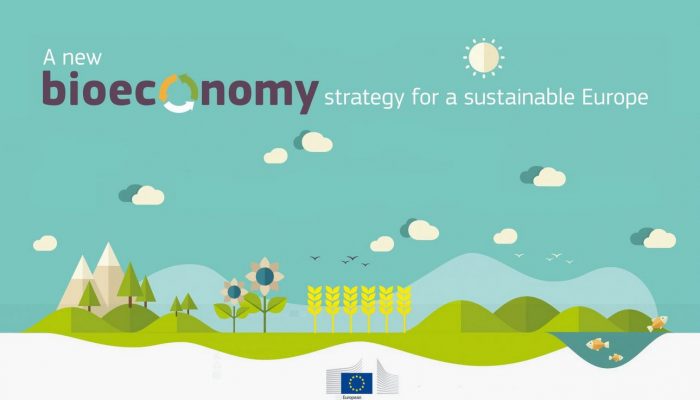
The EU Bioeconomy Strategy has sustainability and circularity at its heart since it was first published, in 2012. It was updated in 2018 and renewed in 2025 to further promote the renewal of our industries, the modernisation of our primary production systems, and the protection of the environment, including biodiversity. The European Commission monitors the EU bioeconomy through its EU Bioeconomy Monitoring System, and cooperate with countries and regions within the EU and internationally to unlock the potential of the bioeconomy.
Brief me
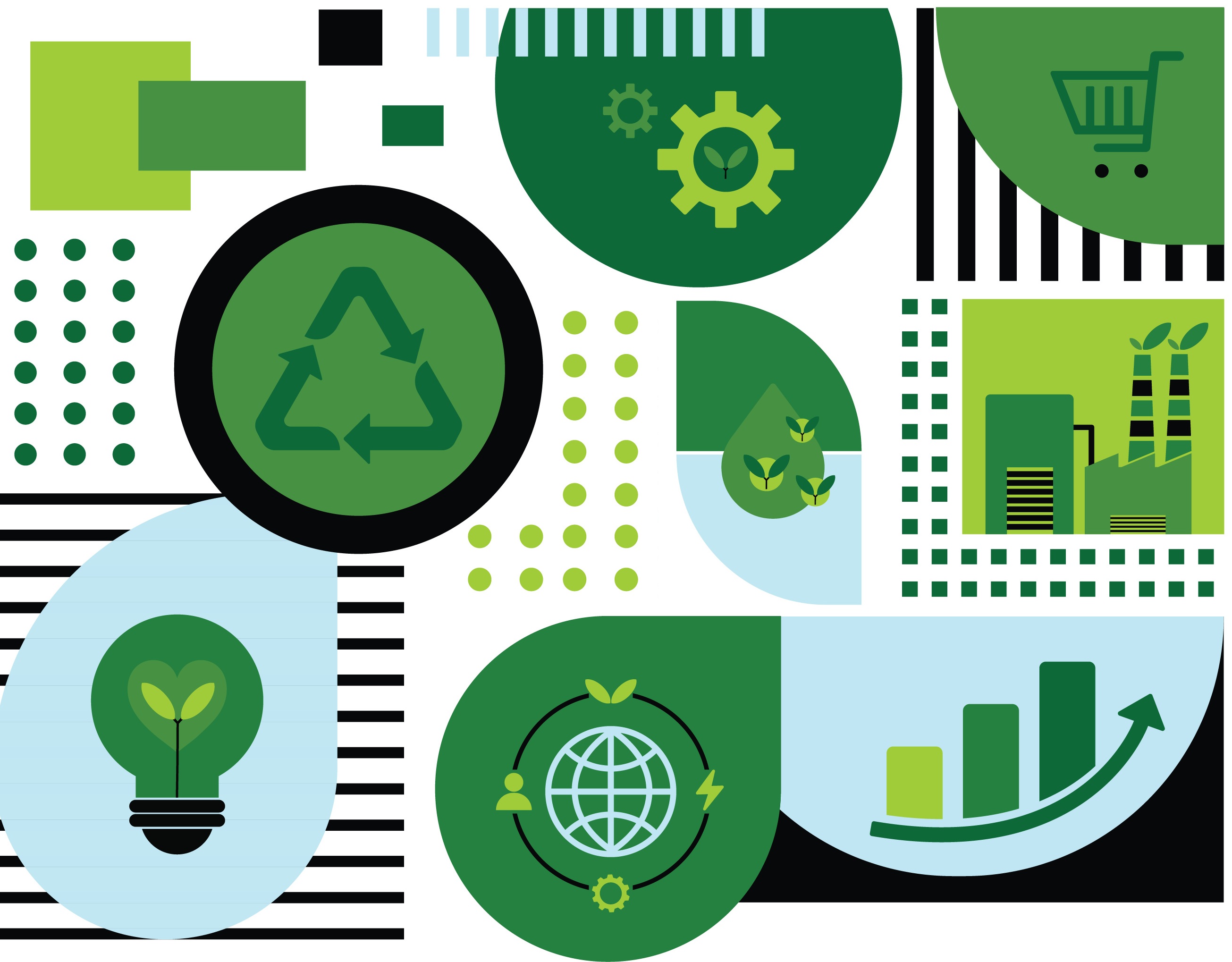
- The bioeconomy is defined as the activities that deliver sustainable solutions based on biological resources to create added value. These include products, services, science and technologies benefiting sectors ranging from agriculture, forestry, fisheries and aquaculture to value chains based on biomass processing, biomanufacturing and biotechnologies such as in food, health, energy, industry, ecosystem and other services.
- The EU Bioeconomy Strategy of 2025 charts a way forward to build a sustainable and a nature-positive bioeconomy by:
- Scaling innovation and investments;
- Building new lead markets for bio-based materials and technologies;
- Ensuring sustainable biomass supply across value chains and
- Harnessing global opportunities.
- Bioeconomy strategies also exist or are being developed in many of the EU Member States and their regions – see the Bioeconomy country dashboard.
The EU Bioeconomy Strategy
Bioeconomy related policies
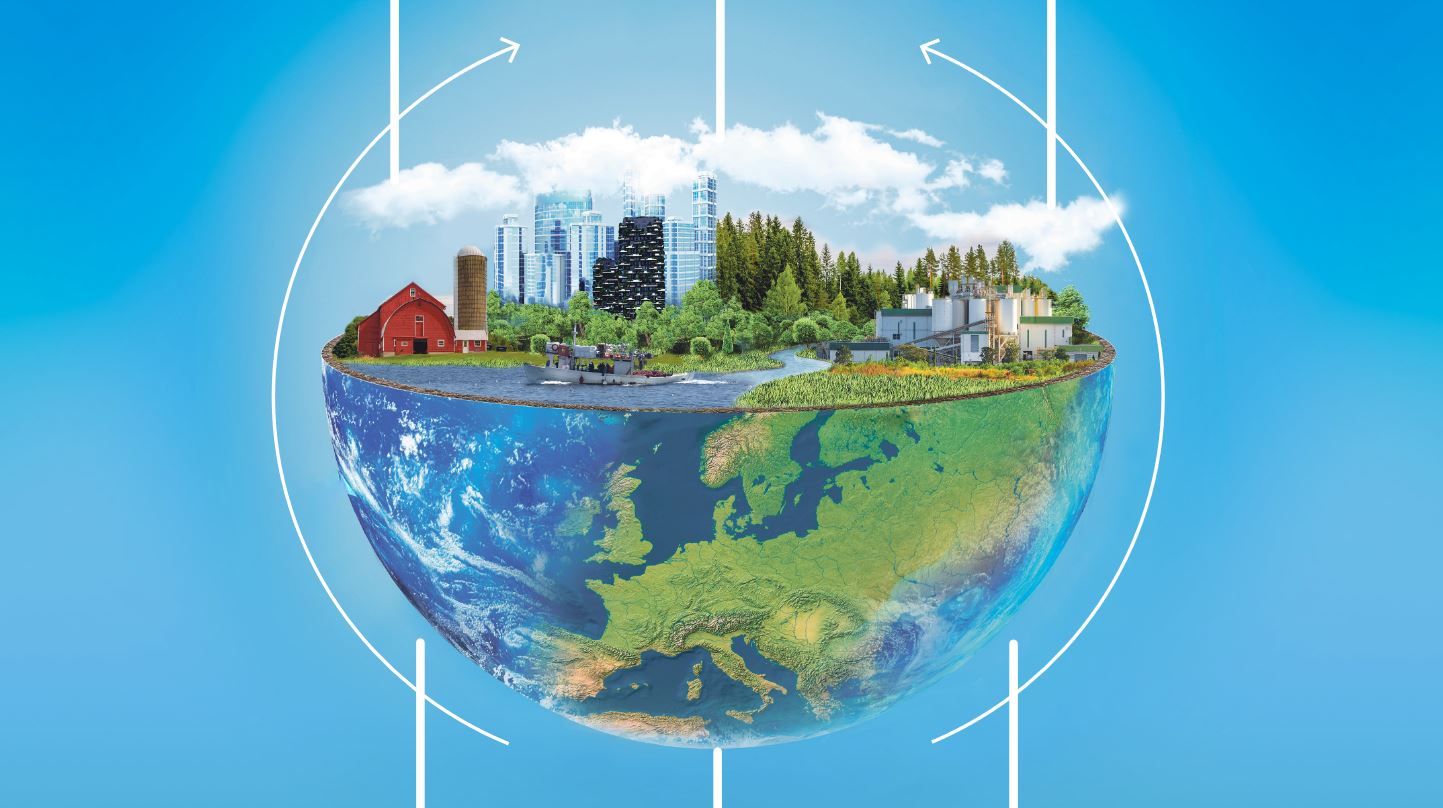
The EU Bioeconomy Strategy has a cross-sectoral character and holistic perspective and is linked to many sectoral policies. Likewise, many EU policies are crucial enablers for the transition to a fair and sustainable bioeconomy. Policies of high mutual relevance with the bioeconomy are for example environmental, pollution and climate policies, the Common Agricultural Policy, the Common Fisheries Policy, industrial and SME friendly policies, consumer policies, energy policies, R&I policies through the EU’s Framework Programmes for research and innovation. Together, the Bioeconomy Strategy and the sectoral policies mutually reinforce each other and jointly address interlinked challenges. The following list, far from being exhaustive, includes policies from the most relevant policy areas for the bioeconomy.
Environment and climate
Environment and climate change are at the centre of the Green Deal, as well as the EU Bioeconomy Strategy. The following EU policies within the environment and climate domain aim to advance solutions that maximize the potential of biological resources, including ecosystems, thus enhancing prosperity for people and planet. This includes solutions that improve circularity of biological resources, forests', soils' and water's health but also solutions that increase carbon storage and provision of other ecosystem services, that defossilise or otherwise make processes more sustainable, or that increase the supply of biological resources or their added value.
Agriculture and food
This section shows EU policies supporting circular and sustainable approaches to agriculture and food. By adopting bioeconomy innovations as well as regenerative practices, farmers can benefit of diversified income sources. Cooperation in emerging agri-food value chains can also bring multiple socio-economic benefits, contributing to rural development.
Oceans and fisheries
The blue economy, encompassing all economic activities based on or related to the ocean, seas and coasts, includes a large variety of economic sectors such as fisheries and aquaculture, coastal tourism, shipping, ports, and marine renewable energy. The following EU policies support a sustainable development of the fisheries, aquaculture and algae sectors. They aim to preserve natural resources while boosting efficiency and innovation.
Industry
The EU industrial policy supports bio-innovation to enhance the sustainability and competitiveness of the European industrial system as well as its strategic autonomy and resilience. In parallel, it aims to create opportunities for good jobs as well as fair distribution of added value along value chains.
Energy and transport
Bioenergy is the main renewable energy source used in the EU, with an increasing role of biomethane. The following policies define key targets and sustainability criteria for biomass feedstock used for energy purposes. The goal is to deliver high greenhouse gas emission savings and not cause deforestation or degradation of habitats or loss of biodiversity, while promoting efficient use and avoid unintended impacts on other uses of biomass. Biofuels will continue to play a role in the decarbonisation of the transport sector, notably in aviation and maritime, as well as for long-haul heavy duty transport in the transition to electrification.
Research and Innovation
Research and innovation are essential to strengthen and scale-up the bio-based sectors. The EU makes available several funding programmes, private-public partnerships and initiatives to unlock the potential of the bioeconomy. In addition, the Strategy for European Life Sciences and the EU Start-up and Scale-up Strategy provide the framework to accelerate innovation, improve market access and support scaleup, ensuring that sustainability and competitiveness advance together.
Investments and finance
Programmes under the current Multiannual Financial Framework (MFF) address the innovation needs of the bioeconomy. They mobilise research and innovation funding, large-scale investment along the full value chain, and de-risk industrial deployment, bridging the gaps between research and market upscale. The Commission’s proposal for the MFF 2028-2034 increases the funding for the bioeconomy through the European Competitiveness Fund (ECF), and the Horizon Europe Framework Programme policy window on health, biotech, agriculture, and the bioeconomy.


Latest knowledge
Bioeconomy in Africa and in the EU: A comparative analysis of African and European bioeconomy strategies
his paper investigates whether bioeconomy policies in selected African countries reflect diffusion from dominant European models or offer divergent approaches. Using a comparative case...
Territorial impact assessment workshop on 'A Strategic Framework for a Competitive and Sustainable EU Bioeconomy'
This territorial impact assessment workshop report is the outcome of an expert workshop held by the European Committee of the Regions and the ESPON European Grouping of Territorial Cooperation (EGTC) on a hypothetical scenario...
Commission seeks feedback on potential simplification of the European Maritime, Fisheries and Aquaculture Fund
The European Commission is seeking feedback in view of a possible targeted amendment of the European Maritime, Fisheries and Aquaculture Fund (EMFAF). The objective is to make the fund simpler, more flexible...
Was this page useful?
Need help?
Consult our user manual or editorial guidance

