

Brief me
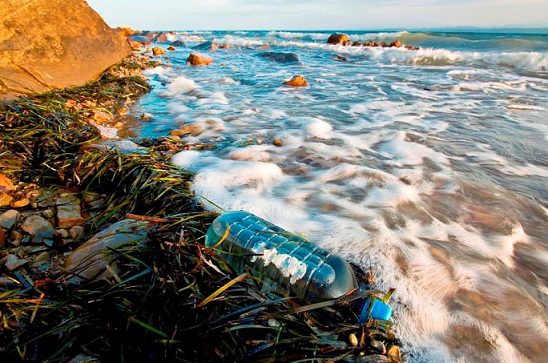
Robotics and citizen engagement can play a crucial role in achieving the EU Mission for ocean, seas and water health restoration by 2030. In this context, the EU-funded SeaClear2.0 project will develop an integrated approach to address the entire cycle of marine litter. The project will focus on reducing marine litter pollution, specifically from plastic litter, in the Mediterranean. This will be achieved by using teams of autonomous, intelligent robots to monitor and collect marine seafloor and surface litter, and through participatory practices to identify site-specific measures for marine litter prevention and reduction. By identifying ways to valorise litter and extend policy-making, SeaClear2.0 will provide innovative solutions for effective marine litter management, further promoting the health of oceans, seas, and water bodies.
Featured content

More information
| Project URL | |
| EU contribution | € 7 971 863,50 |
| Coordinators | TECHNISCHE UNIVERSITEIT DELFT |
| Coordinated in | Netherlands |
| Total cost | € 9 086 305,00 |
| Project date |
to |
| Originally Published | 04 Feb 2026 |
| Digital Europa Thesaurus (DET) | plastics |